
Mold Remediation Cape Coral and Water Damage Restoration Cape Coral, FL
Mold remediation in Cape Coral, FL by licensed remediators, plus 24/7 water removal and drying for canal homes, slab homes and surge zones.
100+ ReviewS
24/7 Phone Line
IICRC S500 & S520 Methods
Licensed Mold Remediators
Licensed mold remediators for Cape Coral homes
Our Florida DBPR-licensed mold remediators handle Cape Coral mold jobs over 10 square feet, the size where state law requires a license.
Mold in Cape Coral is a moisture problem first. Our remediators find the water, contain the area, remove what cannot be cleaned and dry the structure so the growth does not come back. Spraying a product on a visible patch is not remediation.
- Florida Mold Remediator license on every mold job
- Assessor and remediator kept separate, as Florida Statute 468.8419 requires
- Containment, negative air and HEPA cleaning on every job
- Written scope and clearance documentation
- Moisture source fixed first, or the mold returns
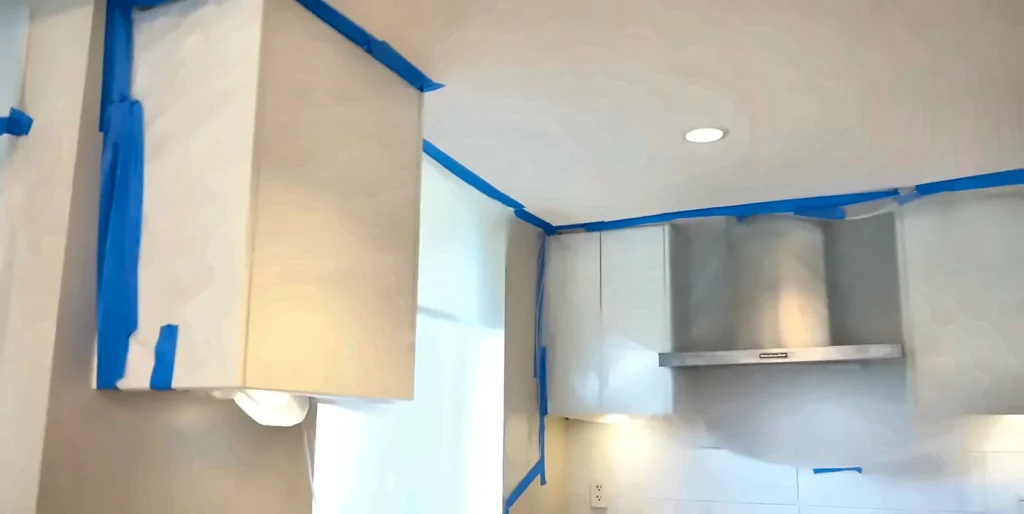
Where mold shows up in Cape Coral homes
Fort Myers averages 88 percent relative humidity in the morning, according to the Florida Climate Center. Any leak in a closed Cape Coral house can start growth in a day or two.
| Spot | Why here | What remediation involves |
|---|---|---|
| AC closets and air handlers | Clogged condensate lines overflow into the closet. The cabinet stays wet and warm. | Clear the line, contain the closet, clean or replace the drywall, check the ductwork |
| Behind baseboards after surge | Ian left canal water in homes for days. Drywall that was not cut high enough still holds moisture. | Cut drywall above the water line, remove insulation, treat studs, dry the cavity |
| Bathrooms and under sinks | Slow supply-line and drain leaks in older southeast Cape homes. | Fix the plumbing, remove the vanity base if soaked, clean and dry |
| Seasonal homes closed for summer | AC set too high or switched off from May to October. | Whole-house assessment, then room-by-room containment |
| Garages and utility rooms on wells | Pressure tanks and well lines leak in the north Cape. | Shut the pump, remove damp storage, treat the slab and walls |
| Condo shared walls | A neighbor’s leak travels through the wall cavity. | Both units inspected; the association decides who pays under the declaration |
Who can legally remove mold in Cape Coral?
In Florida, mold assessors and mold remediators hold separate licenses, and the same company may not test and remove mold on one home within 12 months.
| Role | License | What they do | When you need them |
|---|---|---|---|
| Mold assessor | DBPR Mold Assessor, Chapter 468 Part XVI | Does the mold inspection in Cape Coral, samples and writes the remediation plan | Hidden source, health concerns, or a dispute with an insurer or seller |
| Mold remediator | DBPR Mold Remediator, Chapter 468 Part XVI | Removes mold over 10 square feet following the plan | Any visible growth larger than a sheet of paper |
| Homeowner | None | Small patches under 10 square feet on hard surfaces | Bathroom grout, a window sill, a small closet spot |
| Contractor | DBPR Chapter 489 | Rebuilds drywall, cabinets and floors after clearance | Repairs that need a City of Cape Coral permit |
Licensing has been mandatory since July 1, 2010. Check any license on the DBPR license search. More official links are on our resources page. Be wary of a free mold test bundled with a same-day removal quote: that is the conflict Florida Statute 468.8419 was written to stop.
The 6 steps of mold remediation in Cape Coral
Mold remediation in Cape Coral runs containment first, source second, removal third. Then the structure is dried and verified.
1 Phone triage
Tell us where you see or smell mold, how long it has been there and whether there was a leak or surge. One of our licensed remediators takes it from there.
2 Inspection and moisture source
The remediator finds the water: a condensate line, a slab leak, surge that was never fully dried. Moisture readings show how far it spread.
3 Written scope
You get a plan that lists what will be removed, how the area will be contained and what a permit covers. No work before you approve it.
4 Containment
Plastic barriers, negative air machines and HEPA filtration keep spores out of the rest of the house.
5 Mold removal in Cape Coral with HEPA cleaning
Porous materials with growth are bagged and removed. Framing is cleaned and treated. Surfaces are HEPA vacuumed and wiped.
6 Verification
The structure is dried to the standard. If you want clearance testing, a separate licensed assessor does it, as the law requires.
What drives mold remediation cost in Cape Coral
Mold remediation cost in Cape Coral follows the size of the area, what has to come out and whether the source is fixed. Two closets are cheap. A surge-soaked ground floor is not.
Size of the affected area
Under 10 square feet you may handle it yourself. Over that, containment, negative air and licensed labor come in. Whole rooms after surge cost the most.
What the mold is growing on
Drywall, insulation and carpet pad are removed. Tile, block and framing can usually be cleaned. Cabinets are the expensive question.
How long it was wet
Ian water that sat for a week grew deeper into walls than a leak caught in two days. Deeper growth means more removal.
Fixing the source
A plumber, a roofer or an AC tech has to fix the leak first. The remediator will not close up a wall that is still getting wet.
Insurance
Many Florida policies cap mold at a set amount, and some exclude it unless the cause was a covered sudden leak. Read the mold endorsement before you sign anything.
Rebuild
Drywall, paint and flooring after clearance are a separate contractor job, and in a flood zone they need a city permit.
Water Damage Restoration Cape Coral: Canal Homes, Slabs and Surge
Water damage restoration Cape Coral homes need starts with finding where the water came from. Our water damage restoration in Cape Coral starts with water removal: crews extract water, dry slab homes and check for mold. Not roofers, not general contractors.
Cape Coral was laid out from 1957 on a grid of more than 400 miles of canals, and almost every home sits on a concrete slab. When water gets in, it has nowhere to drain. Our crews map moisture with meters and thermal cameras, dry to a measured standard, and hand you the log your insurer will ask for.
- IICRC S500 drying methods on every job
- Florida DBPR-licensed remediators when mold is over 10 square feet
- Daily moisture readings and photos
- No assignment-of-benefits contracts
- Help with City of Cape Coral permit questions
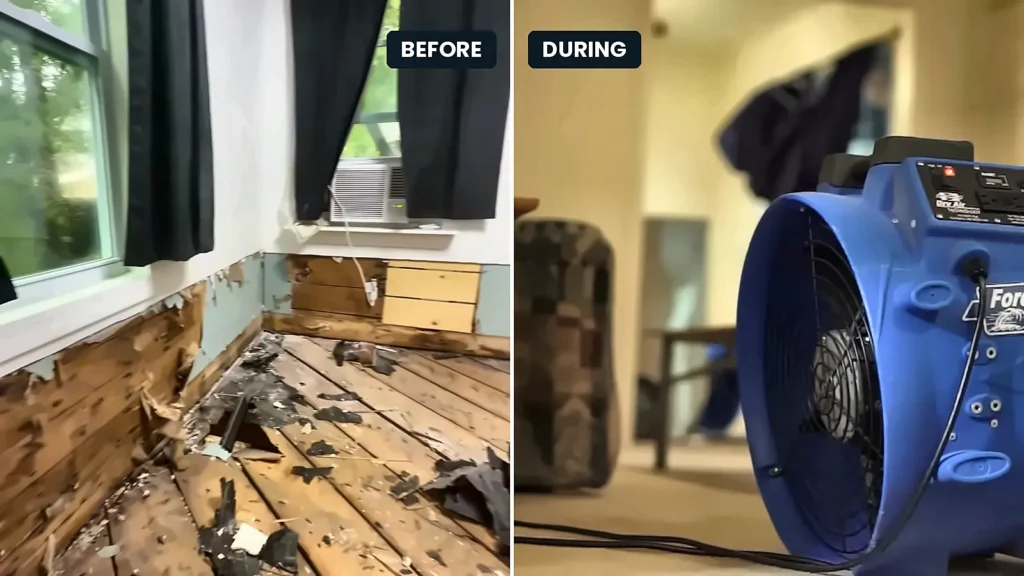
Where water gets into Cape Coral homes
Three sources cover most calls: the canal outside, the slab underneath and the air handler in the closet.
| Source | Why it happens in Cape Coral | What the crew does first |
|---|---|---|
| Canal and river surge | The NHC measured 6 to 9 feet of inundation in Cape Coral during Hurricane Ian. Gulf-access canals carry surge straight to the seawall. | Treat as Category 3 water, remove soaked drywall and flooring, sanitize, then dry |
| Slab and supply line leaks | Slab homes from the 1960s through the 1980s in the southeast Cape have aging copper and cast iron under the floor. | Find the leak with a meter and thermal camera, shut off the source, dry tile and slab |
| AC condensate lines | Air conditioners run most of the year and the drain line clogs with algae. The pan overflows into the closet and hallway. | Clear the line, dry the closet cavity, check for mold behind the air handler |
| Roof and window leaks | Summer storms and hurricane winds push rain past flashing and older windows. | Locate the entry point, dry the ceiling cavity, document for the homeowners claim |
| Well and pressure tank failures | North of Pine Island Road many homes still run on wells until the Utilities Extension Project reaches them. | Shut the well pump, dry the garage or utility room, check the tank |
| Irrigation and canal-fed pumps | Many homes pull irrigation water from the canal. A failed fitting at the house can run for hours. | Shut the pump, dry exterior walls and garage, check the slab edge |
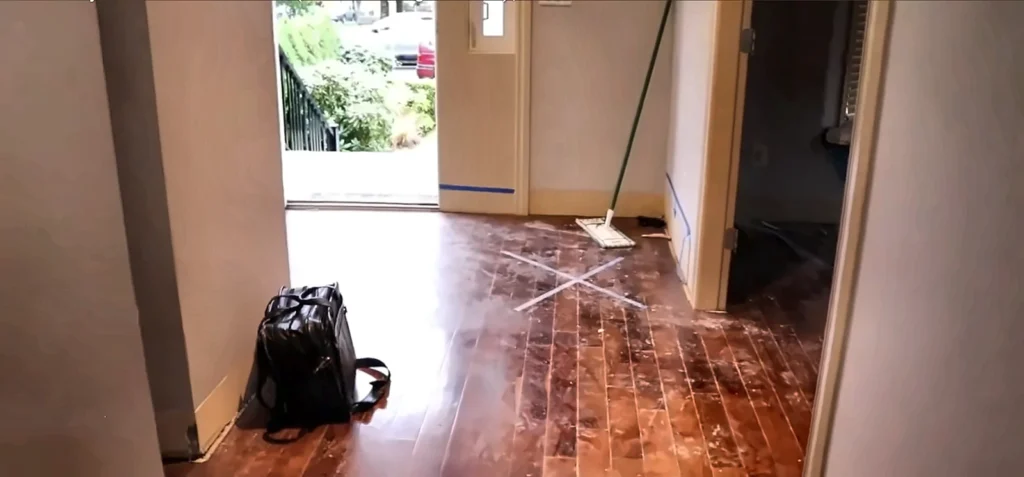
Why fans alone won’t dry a Cape Coral home
Box fans move air. They do not pull water out of the building.
- Slab under tile. Water spreads under tile and into the slab, where a fan cannot reach it.
- Canal humidity. Homes on the water sit in damp air, so open windows add moisture instead of removing it.
- Concrete block walls. Block holds water in its hollow cores long after the surface looks dry.
- Closed seasonal homes. With the AC off for months, nothing pulls moisture out of the air.
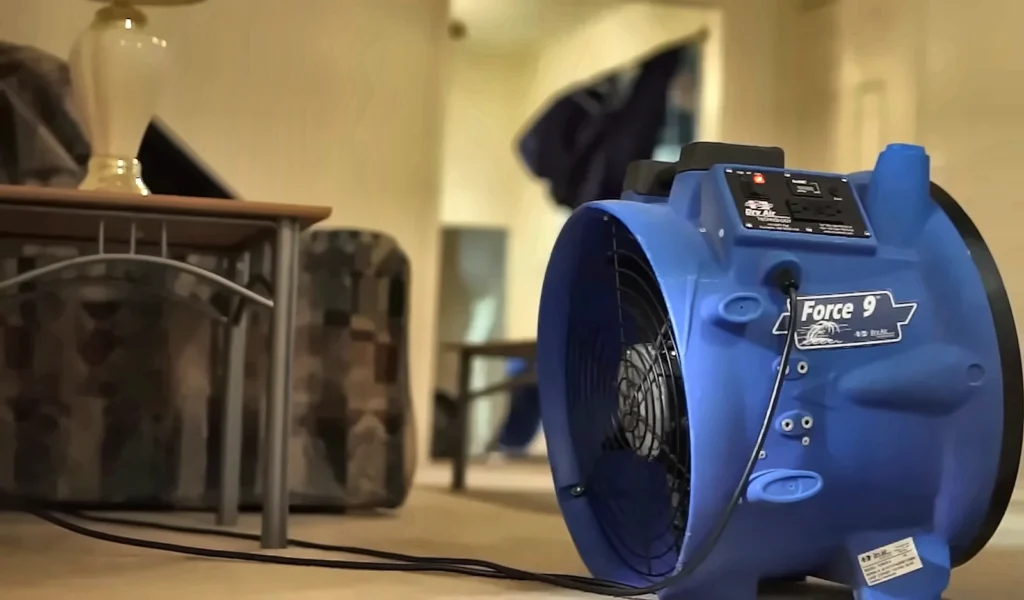
Water Damage Drying Cape Coral: Block Walls and Humid Air
Drying takes longer here when canal-side humidity stays high, so dehumidifiers run until readings drop.
Cape Coral neighborhoods and their water damage patterns
Every part of Cape Coral has its own way of getting wet. Knowing the area shortens the first visit.
Yacht Club and the southeast Cape
The first four Cape Coral homes were finished in 1958 near Redfish Point, and the Yacht Club opened in 1962. These are the oldest homes in the city and the ones Ian hit hardest. Cast iron drains and original plumbing are common.
Cape Harbour and Tarpon Point
Newer waterfront condos and homes near the mouth of the Caloosahatchee. Surge risk is high, and shared walls mean one unit’s leak becomes two claims.
Pelican and Trafalgar
Mid-Cape neighborhoods of 1980s and 1990s slab homes on freshwater and Gulf-access canals. Slab leaks and AC overflows are the usual calls.
North of Pine Island Road
Much of the north Cape was built on wells and septic. The city’s Utilities Extension Project is bringing water and sewer north in phases, so a leak here can involve the well system as well as the house.
Burnt Store corridor
The newest homes in the northwest Cape. Fewer plumbing failures, more roof and window leaks from summer storms and the occasional new-construction defect.
Sandoval and Hancock
Gated and planned communities with HOA rules. The crew checks who is responsible for the wall, the roof and the pipe before any tear-out starts.
Cape Coral water damage by the numbers
The facts that shape a Cape Coral drying job, with where they come from.
| Fact | Figure | Source |
|---|---|---|
| Population | 236,264 (2025 estimate), up 21.8 percent since 2020 | U.S. Census Bureau |
| Canals | More than 400 miles of navigable waterways | City of Cape Coral |
| Hurricane Ian inundation | 6 to 9 feet above ground level in Cape Coral | National Hurricane Center |
| Flood insurance discount | CRS Class 5: 25 percent off in A and V zones, 10 percent in X zones | City of Cape Coral Flood Protection |
| Current flood maps | Effective November 17, 2022 | City of Cape Coral |
| Owner-occupied homes | 77.2 percent | U.S. Census Bureau |
| Mold license threshold | Over 10 square feet needs a DBPR-licensed remediator | Florida Statute 468.8411 |
The city notes that about 25 percent of flooding happens outside mapped flood zones. Standard homeowners policies do not cover rising water, so check whether you carry an NFIP or private flood policy before you need it.
When water damage hits Cape Coral homes
The Fort Myers area gets about 57 inches of rain in a normal year, according to the National Weather Service, and most of it falls from late May to mid-October. The calendar below is when the calls come in from Cape Coral.
Winter season (Nov to Apr)
Canal-front homes also see king tides push water over low seawalls in fall and winter.
Rainy season (May 15 to Oct 15)
Irrigation pumps and pool equipment fail in the heat.
Hurricane peak (mid-Aug to mid-Oct)
Gulf-access canals carry surge straight to the house, as Ian showed.
Summer vacancy (May to Oct)
Set the AC to run and ask a neighbor to walk the house every two weeks.
Every water and mold service in Cape Coral
Ordered by what Cape Coral owners search for most. Each links to the full service page.
Mold Remediation
Canal-front homes and closed seasonal homes, where humidity stays high all summer.
Storm and Hurricane Damage
Ian pushed surge into the southeast Cape, and storms drive rain through lanai cages and sliders.
Water Removal
Same-visit extraction from tile and carpet in slab homes across the Cape.
Water Damage Repair
Drywall, flooring and cabinets rebuilt after drying, with City of Cape Coral permits when needed.
Flood Cleanup
Canal and seawall overtopping is flood water: Category 3, and handled under flood insurance.
Sewage Cleanup
Septic backups in the north Cape and drain backups in older homes.
Burst Pipes and Water Heaters
Supply lines, water heaters and slab leaks that spread under tile.
AC Leaks
Condensate overflows from attic and garage air handlers.
Condo Leaks
Leaks between units in Cape Harbour, Tarpon Point and other condos.
Every Cape Coral job follows the same 6 steps: phone triage, moisture mapping, a written scope, extraction, structural drying and a written dry standard. See our full process.
Insurance and permits in Cape Coral
Two rules decide how water damage restoration in Cape Coral ends: what caused the water, and how much the repair costs compared with the value of the house.
- Sudden pipe or appliance leaks are usually a homeowners claim. Rising canal or surge water needs flood insurance.
- Report a new claim within 1 year of the loss under Florida Statute 627.70132.
- Do not sign an assignment of benefits. Florida bars them on policies issued since January 1, 2023 (F.S. 627.7152).
- All flood-zone repairs need a permit. If the repair costs 50 percent or more of the building value, the whole structure must meet current flood code.
- Building Division permitting: (239) 574-0546. Floodplain questions: (239) 574-0611.
For mold found during drying, see mold remediation in Cape Coral. For surge and river water, our flood clean up services in Cape Coral follow the flood damage restoration process.
Updated September 2026. Cape Coral data on this page comes from the National Hurricane Center, the U.S. Census Bureau, the National Weather Service, the Florida Statutes and the City of Cape Coral. Every source is listed on our resources page.
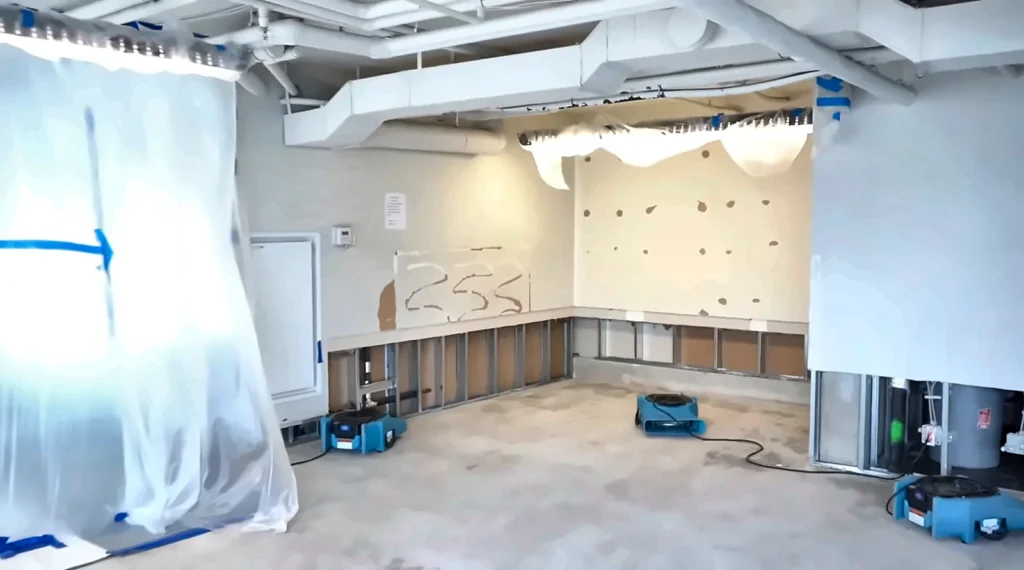
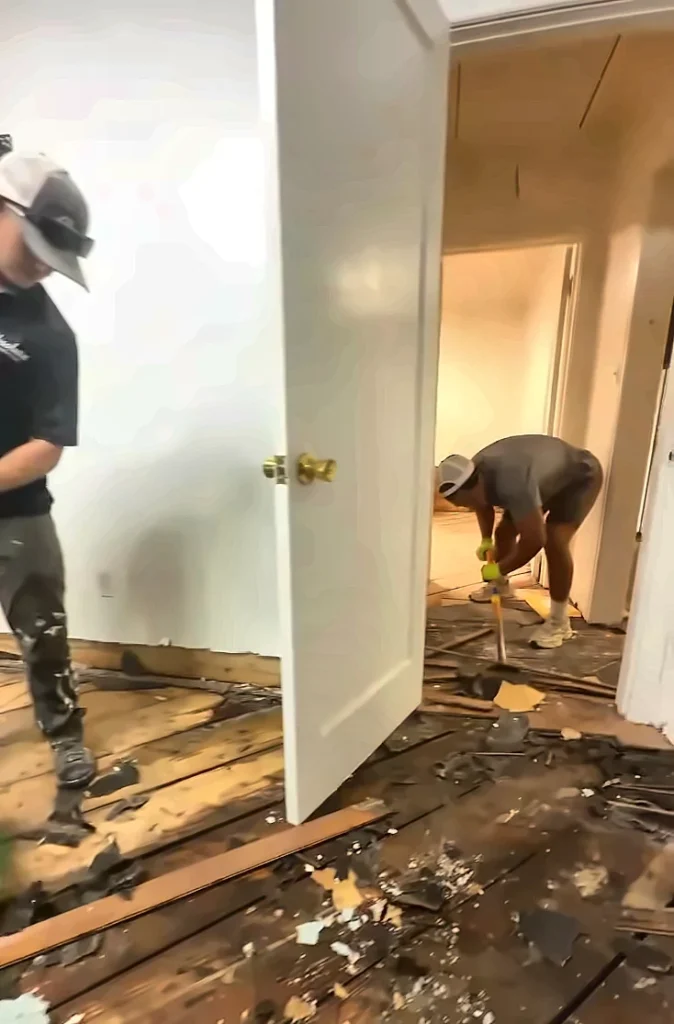
Water damage drying in Cape Coral, plus water removal services
Water damage drying in Cape Coral comes down to two things: get the water out today, and get the structure dry before mold starts. We do both with our own crew.
Water damage Cape Coral homes take is different from the older Fort Myers neighborhoods. The Cape is mostly slab-on-grade block homes built from the 1970s on, many on canals, with tile floors over slab and drywall on furring strips. Water gets behind the furring strips and under the tile, and the meter is the only way to know it is there.
- Extract standing water with truck-mount and portable extractors, the same first step as our emergency water removal in Fort Myers.
- Drying a Cape Coral home starts with the meter: map moisture in every wall and floor with a pin meter and a thermal camera, and mark the wet line in pencil so you can see it.
- Remove baseboard and drill small weep holes at the base of the wall so air can move behind the drywall, or remove drywall that has been wet more than a day.
- Set air movers and low-grain dehumidifiers sized to the room, then log readings daily until framing is back to its dry standard.
The flood cleanup Cape Coral residents needed after Ian was a harder version of this. Surge water is contaminated, so flooring, lower drywall and base cabinets come out regardless of speed. Our storm damage restoration page explains that process. The everyday water damage in Cape Coral homes is a slab leak, water heater or supply line, and fast drying saves most of the house. If mold has already started, our Cape Coral mold remediation crew takes over once the structure is dry. See mold remediation in Cape Coral, or our Fort Myers mold remediation page for how the work runs across Lee County.
Key facts about mold and water damage in Cape Coral
- Response time to Cape Coral from our Fort Myers office is typically 60 to 90 minutes, across the Cape Coral Bridge or the Midpoint.
- Most Cape Coral homes are slab-on-grade block with tile floors, so water hides under tile and behind furring strips.
- Slab leaks are common in Cape Coral copper lines from the 1970s to 1990s and often show up as a warm floor spot or a water bill jump.
- Storm surge from the Caloosahatchee and Matlacha Pass is treated as contaminated water. Porous materials it touched are removed.
- Jobs here are run by our own crew with daily moisture logs you can hand to your adjuster.
Last updated September 29, 2026. Reviewed by our Fort Myers crew lead.
Nearby areas we serve
The same crews behind our mold remediation services Cape Coral homes use, across Lee and Collier County.
Mold remediation questions in Cape Coral
Short answers to what Cape Coral mold homeowners ask most. Longer answers are in our water damage and mold FAQ.
Call (239) 837-2323, day or night.
Updated September 2026. The Cape Coral mold facts here are drawn from the National Weather Service, the Florida Statutes, the U.S. Census Bureau and City of Cape Coral sources. Every source is listed on our resources page.
Cape Coral water damage questions
Plain answers to common Cape Coral water damage restoration questions.
Call (239) 837-2323, day or night.
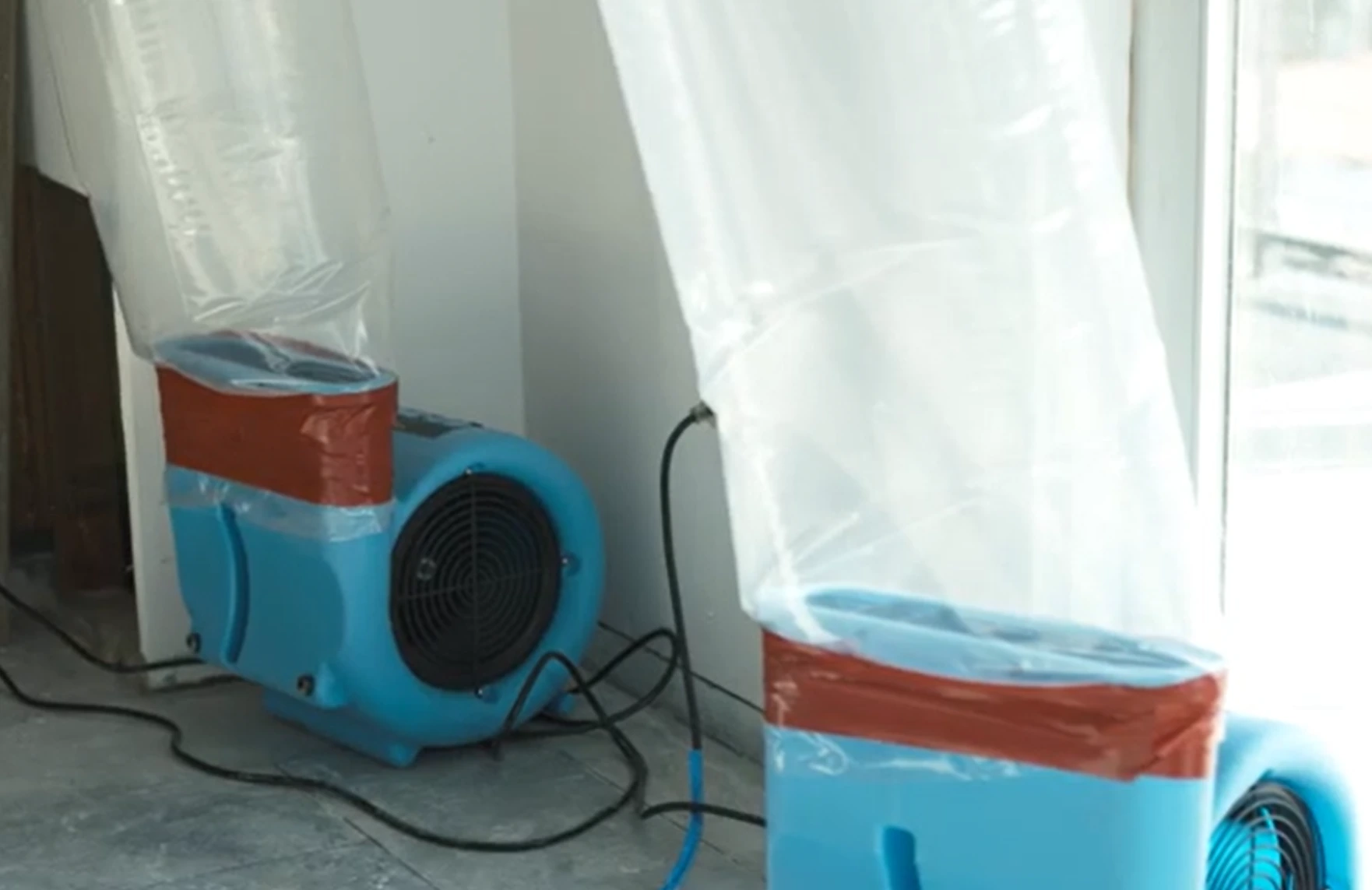
Water Damage in Cape Coral? Call Us 24/7
Fast mold remediation in Cape Coral or water damage help starts with one call. Every hour counts in this humidity, so don’t wait for the smell.
Call (239) 837-2323 any time. Our line is answered 24/7. See the contact page for email and office details.