
Water Damage Restoration Process: How Long Does Water Damage Restoration Take in Fort Myers?
What happens from your first call to dry, repaired walls, with realistic timelines at each step.
100+ ReviewS
24/7 Phone Line
IICRC S500 & S520 Methods
Licensed Mold Remediators
How does water damage restoration work, step by step?
The water damage restoration process has six steps: first call, inspection, extraction, drying, mold check, and repairs. Extraction usually happens on day one. Drying typically takes three to five days. Repairs can take days or weeks, depending on materials and permits.
1. First call (minutes)
Tell us what happened, when it started and your ZIP code. Our nearest available licensed technician heads your way, day or night.
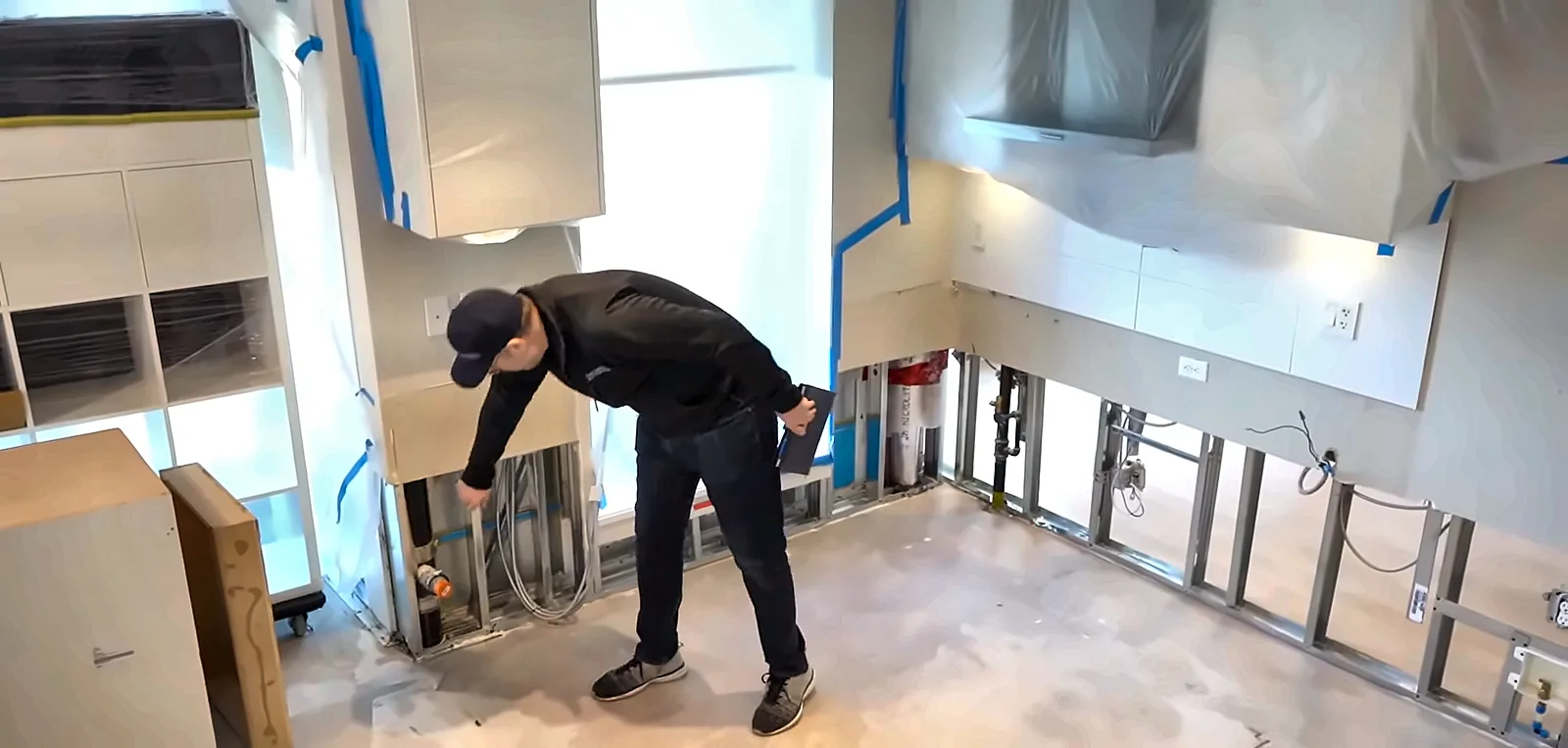
2. Inspection and moisture mapping (first visit, 1 to 2 hours)
The technician stops the source, checks power in wet rooms, and maps moisture with meters and thermal imaging. You should see photos and first readings the same day.
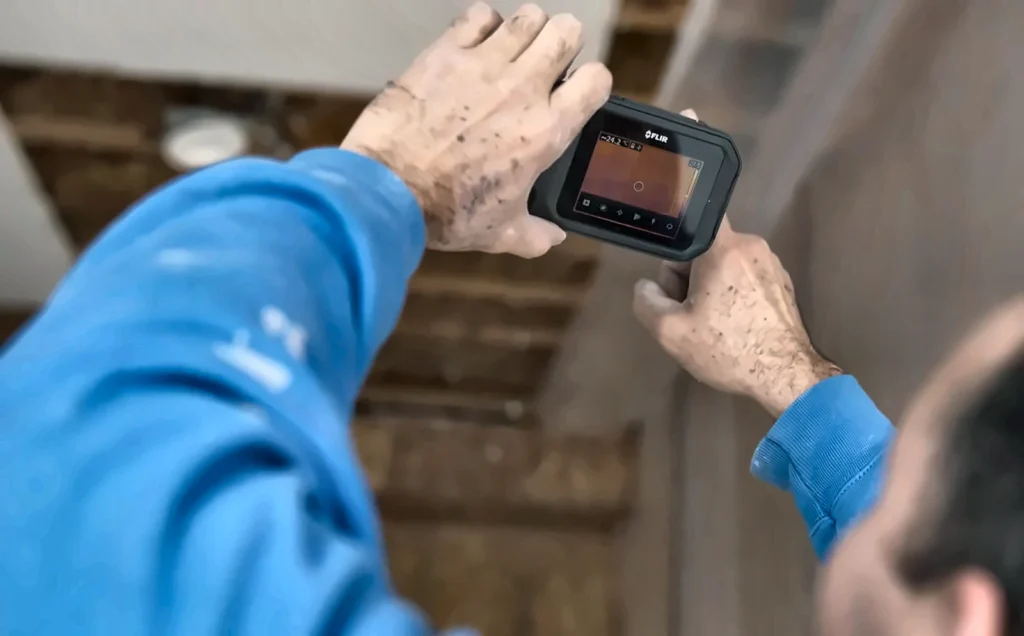
3. Water extraction (same day)
This is the water mitigation stage: standing water comes out of carpet, pad and floors. Materials that can’t be dried, like soaked pad or contaminated drywall, are removed.
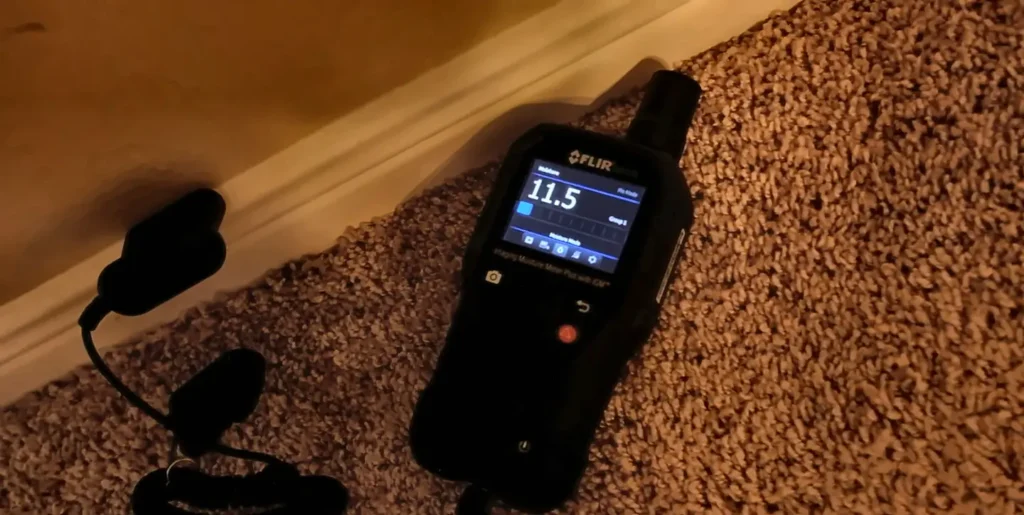
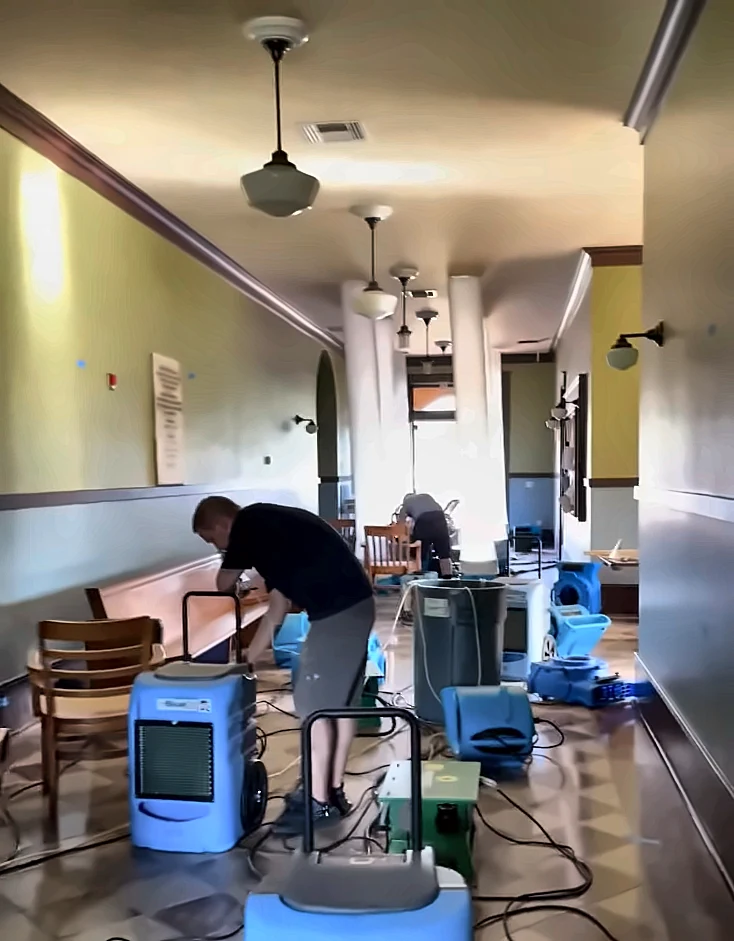
4. Structural drying with a daily drying log (3 to 5 days)
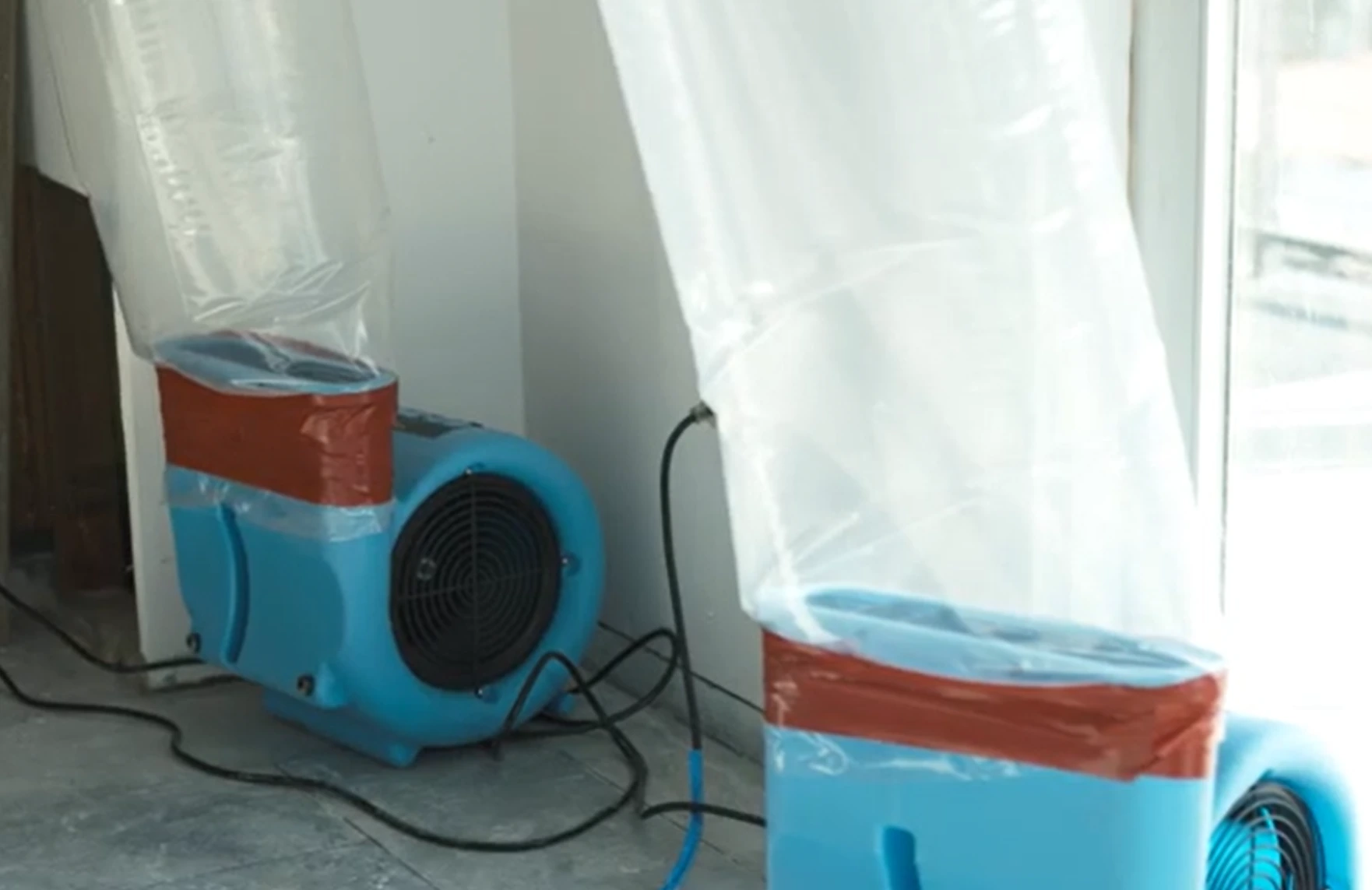
Air movers and LGR dehumidifiers run while readings are logged every day. Equipment should stay until materials reach target levels, not until a set number of days passes.
5. Mold check and remediation (if needed)
If mold is present over 10 square feet, the work goes to a Florida-licensed mold remediator. See mold remediation.
6. Repairs and rebuild (days to weeks)
Drywall, flooring and trim are replaced. Lee County requires permits for many rebuilds. Read about permits and the 50% rule.
What should you receive at each step?
These records speed up your insurance claim. Ready to start? Contact us or read the FAQ.
The process applies to water removal and flood damage restoration jobs. The standards behind each step are on our standards and licensing page.
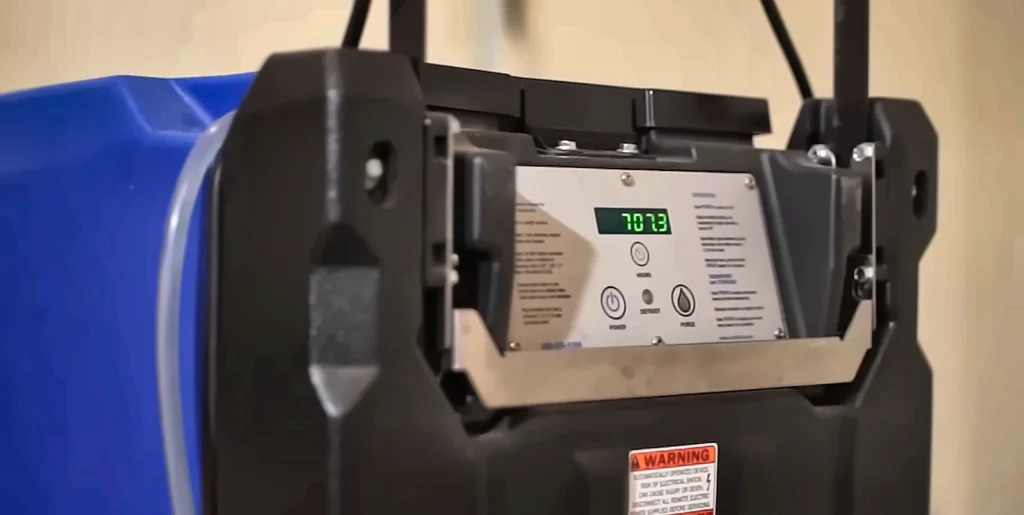
What changes drying time in a Fort Myers home?
On most jobs here, drying takes three to five days, but seven local factors can stretch that. Knowing them up front helps you plan and keeps the insurance file honest.
| Factor | Why it matters in Fort Myers | What it usually changes |
|---|---|---|
| Slab floors and tile | Most Lee County homes sit on concrete slabs. Water under tile has nowhere to drain, and concrete gives up moisture slowly. | Extra drying days, sometimes tile removal |
| Outdoor humidity | Fort Myers averages 88 percent relative humidity in the morning, according to the Florida Climate Center. Open windows add moisture instead of removing it. | House stays closed and dehumidifiers do the work |
| Water category | Surge, river water and sewage are Category 3. Porous materials they touched come out. | More tear-out and cleaning before drying starts |
| How long it sat | Seasonal homes can leak for days before anyone notices. The EPA says to dry within 24 to 48 hours to prevent most mold growth. | A mold check, sometimes remediation |
| Materials | Hardwood, plaster and cabinets in older homes near McGregor Boulevard hold water longer than drywall. | Specialty drying and longer equipment time |
| Condo rules | Shared walls and association approvals in Downtown and Whiskey Creek buildings. | Waiting for access and sign-off |
| Permits | Many rebuilds need a City of Fort Myers or Lee County permit, and flood-zone repairs face the 50 percent rule. | Days to weeks added to repairs |
If a drying estimate for a large loss is shorter than three days, ask what readings it is based on.
How long does water damage restoration take?
How long does water damage restoration take? Most clean-water drying takes 3 to 5 days. A clean-water leak is usually dry in 3 to 5 days after extraction. The whole job, including repairs, often runs one to three weeks, and longer when permits or insurance approvals are involved.
| Stage | Typical time | What can make it longer |
|---|---|---|
| First call to call-back | Minutes | Call volume right after a storm |
| Inspection and moisture mapping | 1 to 2 hours on the first visit | Large homes or several units |
| Water extraction | Same day | Category 3 water that must be removed first |
| Structural drying | Typically 3 to 5 days | Hardwood, concrete slabs, high humidity |
| Mold remediation, if needed | 1 to 5 days, plus clearance testing | Growth inside walls or the AC system |
| Repairs and rebuild | Several days to a few weeks | Permits, materials and insurance approval |
Last updated September 29, 2026. Reviewed by the Fort Myers Restoration Co. team against the sources named above.
How water category and drying class change the timeline
The IICRC S500 standard sorts every job two ways: how dirty the water is (category) and how much drying it needs (class). Both decide what gets removed and how much equipment goes in.
In short: Category 1 is clean water from a supply line, Category 2 is gray water from appliances, and Category 3 is sewage, surge or river water, where porous materials come out instead of being dried. Classes 1 to 4 describe how much got wet, from part of one room up to dense materials like concrete, plaster and hardwood. A higher category or class adds days to the timeline above.
Category can get worse over time. Clean water that sits for days in a warm Fort Myers house can turn into Category 2 or 3, which is one more reason to start the same day.
Water Damage Restoration Timeline for Tile, Wood and Drywall
The timeline changes by material: tile on slab dries fastest, hardwood and wet block walls take longest.
How the process changes by job type
The water damage restoration process stays the same, but what happens inside each step depends on where the water came from.
| Step | Water leak | Flood or surge | Mold | Sewage backup |
|---|---|---|---|---|
| First visit | Stop the source, extract, set drying | Safety check, photos, remove ruined materials | Find the moisture source, set up containment | Protective gear, remove contaminated materials |
| Who does it | Water restoration crew | Water restoration crew | Florida-licensed mold remediator over 10 sq ft | Water restoration crew |
| Typical drying | 3 to 5 days | 5 days or more after tear-out | Structure dried before rebuild | 3 to 5 days after cleaning |
| Main claim | Homeowners policy | NFIP or private flood policy | Depends on what caused the moisture | Homeowners, often with a water backup endorsement |
Details for each job: water removal in Fort Myers, flood damage restoration and mold remediation.
What a real drying record includes
The drying record is your proof that the job is done. The IICRC method compares wet materials to a dry standard: the same material in a room the water never reached.
- Date and time of every reading
- Room and exact spot, marked on a sketch or floor plan
- Material: drywall, baseboard, subfloor, concrete or cabinet
- Meter type, because pin and pinless meters read differently
- The reading and the dry standard it is compared to
- Indoor temperature and humidity, plus outdoor conditions
- Equipment count per room, and when each piece moved or left
- Photos and the technician’s name
Equipment should come out when readings meet the dry standard, not when a set number of days passes. Ask for the final log in writing. Your insurer will ask for it too.
Where restoration jobs go wrong
Most failed water damage restoration jobs come down to the same few shortcuts. Watch for these.
- Equipment pulled on day three with no final readings
- Baseboards left on, so the wall cavity behind them never dries
- The leak was never fixed, so the structure gets wet again
- Drywall closed up before readings hit the dry standard
- Bleach sprayed on drywall, which adds water and does not fix mold in porous material
- A contract that asks you to sign over your insurance benefits, which Florida bars on policies issued since January 1, 2023
If you see any of these, ask questions before the crew leaves. Our standards and licensing guide lists what to check.
Your day-by-day checklist
Print this water damage restoration process checklist or keep it on your phone. It covers what you should do and what you should get at each stage.
1 Hour one
Shut off the water, cut power to wet rooms if it is safe, and take photos and video before anything moves.
2 Day one
Get a written scope before major tear-out. In a condo, confirm who is responsible. Report the claim.
3 Days two to four
Check that someone takes readings every day. Keep doors closed and the AC running unless the crew says otherwise.
4 Last drying day
Ask for final readings against the dry standard before any equipment leaves.
5 Mold check
Visible growth over 10 square feet goes to a licensed remediator. Clearance testing comes from a separate assessor if you want it.
6 Repairs
Pull permits where needed, keep every receipt, and save the drying records with your claim file.
Water where it shouldn’t be? Let’s get it dry.
Your water damage restoration process starts with one call. Every hour counts in this humidity, so don’t wait for the smell.
Call (239) 837-2323 any time. Our line is answered 24/7. See the contact page for email and office details.